



Blood pressure at home: small details that make readings more reliable
A blood pressure reading is useful only if the way you take it is reliable. A cuff over a sleeve, a hurried measurement or a conversation can distort the result. A consistent routine gives your clinician a more useful record than repeatedly checking whenever you feel worried.
Sometimes blood pressure rises temporarily because a medical visit feels stressful. This is often called the white coat effect. Home readings can help the clinician compare different settings; they do not make a high clinic result something to ignore. A 24-hour monitor may also be used when appropriate.
Start with suitable equipment
Choose an automatic upper-arm monitor that has been validated, with a cuff sized for your arm. Wrist and finger devices are generally less reliable. Bring the monitor to an appointment so a professional can check the fit, your technique and agreement with clinic equipment. The American Heart Association advises checking it yearly or as the manufacturer directs.
Prepare before pressing the button
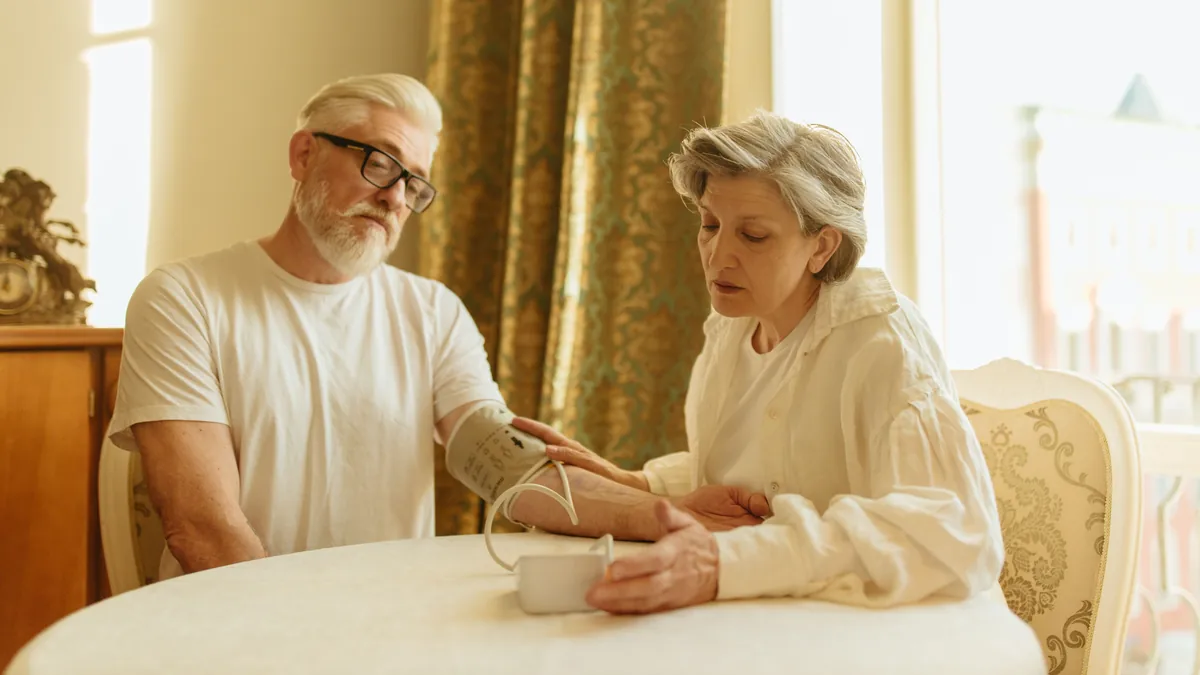
For 30 minutes beforehand, avoid smoking, caffeine and exercise. Empty your bladder, then rest quietly for at least five minutes. Sit with your back supported, feet flat and legs uncrossed. Put the cuff on bare skin above the elbow, following its instructions. Support the arm so the middle of the cuff is at heart level; use a cushion if needed. Stay still, without talking or using your phone.
Take two readings and keep both
Take two measurements one minute apart and record both, with the date and time. Use consistent times and ask your clinician how often and for how many days to measure. The upper number is systolic pressure, when the heart contracts; the lower is diastolic pressure, between beats. Keep the log for appointments. Do not stop or change prescribed medicine because one reading looks good or high.
Make the diary useful, not just longer
A common NHS routine is two readings in the morning and two in the evening. The British Heart Foundation diary uses seven days for its first week. These are examples of organized monitoring: agree on the schedule with your clinician, especially after starting or changing treatment, rather than measuring constantly or choosing a schedule yourself.
Keep each pair of readings with the date and time. Add any symptoms, illness or circumstances that may have affected the measurement. A paper diary or the device’s memory can help. Bring the record to the appointment so the clinician can review the pattern; do not keep only the reading you prefer.
Which numbers need attention?
A single reading does not diagnose hypertension. Home and clinic thresholds differ, as do national guidelines; your clinician should interpret the pattern and your health context. For example, British guidance commonly uses 135/85 mmHg at home and 140/90 in clinic, while American categories identify elevated risk at lower levels. These are not interchangeable personal treatment targets. The two numbers do not have to rise together. For example, 148/78 has a raised upper number even though the lower number is below 80. A reading of 118/92 has a raised lower number. These are illustrative examples, not diagnoses or instructions to adjust medicine; one lower number does not cancel out the higher one.
If the upper number is above 180 or the lower above 120 mmHg, and you have no concerning symptoms, wait at least one minute and repeat. If it remains very high, contact a healthcare professional immediately. Chest pain, breathlessness, new weakness or numbness, vision changes, difficulty speaking or severe back pain require urgent emergency assessment: call your local emergency number and do not delay for another measurement. Serious symptoms merit help even without a very high reading.
Does home monitoring replace a visit?
No. High blood pressure often causes no symptoms, and a normal reading does not explain every symptom. Home measurements help confirm a diagnosis and assess treatment, but they complement professional care. Pregnancy, children and certain medical conditions need their own monitoring plan.
Content details
- Study design
- Practical guidance from the American Heart Association (reviewed August 14, 2025), NHS (reviewed November 25, 2025) and British Heart Foundation diary guidance accessed November 15, 2026; not a new clinical study.
- Population and context
- General adult home monitoring; pregnancy and children require specific clinical advice and appropriately validated equipment.
- Evidence limitations
- General guidance, not an individual diagnosis or treatment plan. Diagnostic thresholds and monitoring schedules vary by country, clinical setting and personal circumstances.