




How to store medicines safely at home
Heat, light and moisture can damage some medicines. Read the packaging and patient instructions first. If a product requires refrigeration or other special conditions, follow those directions. Ask a pharmacist if you are unsure about temperature or how long the product lasts after opening.
Choose a dry, secure place
For medicines stored at room temperature, choose a dry spot away from sources of heat. A bathroom can get humid and a car can get too hot or cold. Keep medicines in their original containers with readable labels. Close the cap tightly after use.
Prevent accidental access
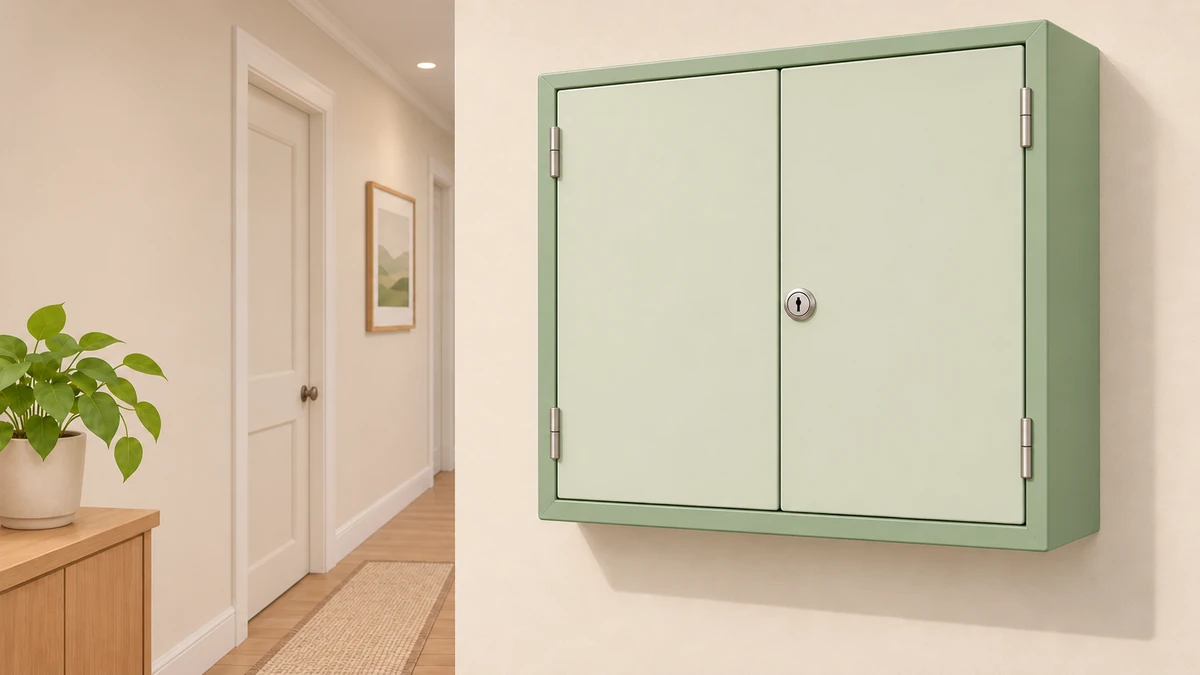
Keep medicines and supplements out of sight and reach of children and away from pets. A locked cabinet can provide another layer of protection. Put bottles away as soon as you finish, even if the next dose is soon. Remember medicines you carry in a purse or bag, too.
Check dates and condition
Do not use expired medicines. Check the expiration date and look at the medicine. If its smell, color or texture changes, or it was kept outside the recommended temperature, ask a pharmacist before using it. For unused or expired medicine, ask your pharmacy about a local collection point or the disposal rules in your area.
Check where each medicine lives
For medicines labeled for room-temperature storage, choose a cabinet away from the stove, sink, and direct sun. Keep the blister pack or bottle with its label and directions so you can identify the strength and check the expiration date. If children visit, check bedside tables and guests’ bags, too. A child-resistant cap adds protection when medicines are put away out of reach.
After opening
Some medicines have a shorter life after opening. Record the opening date and follow the product’s instructions; ask a pharmacist if the deadline is unclear.
If storage conditions went wrong
If a bottle spent the afternoon in a hot car or a refrigerated medicine was left without power, tell a pharmacist the product, how long it was exposed, and the temperature if you know it. Ask how to get a replacement if a dose is coming up. Tablets that stick together, crack, or become unusually soft may be damaged. A medicine can lose strength before the expiration date even if it looks unchanged.
Plan for travel and disposal
On a flight, pack medicines in your carry-on in their labeled containers. Take copies of your prescriptions and check the rules for your destination. Ask a pharmacist how to transport a medicine that needs refrigeration. When clearing out a cabinet, separate expired products from those in use, store them securely until drop-off, and ask a pharmacy about local take-back options. Arrange any necessary refill before you run out.
Content details
- Population and context
- Adults storing medicines at home or managing them for someone in their care.
- Evidence limitations
- Storage conditions depend on the product. Follow local disposal rules.
📚 Sources
- National Library of Medicine — MedlinePlus: Storing your medicines
- Centers for Disease Control and Prevention — Your Prescription Medicine: Tips for Safe Storage and Disposal
- Food and Drug Administration — Don’t Be Tempted to Use Expired Medicines
- North of England Commissioning Support Unit — Medication Expiry Dates (Medication Safety Series MSS16)
Sources checked on: 15 November 2026