




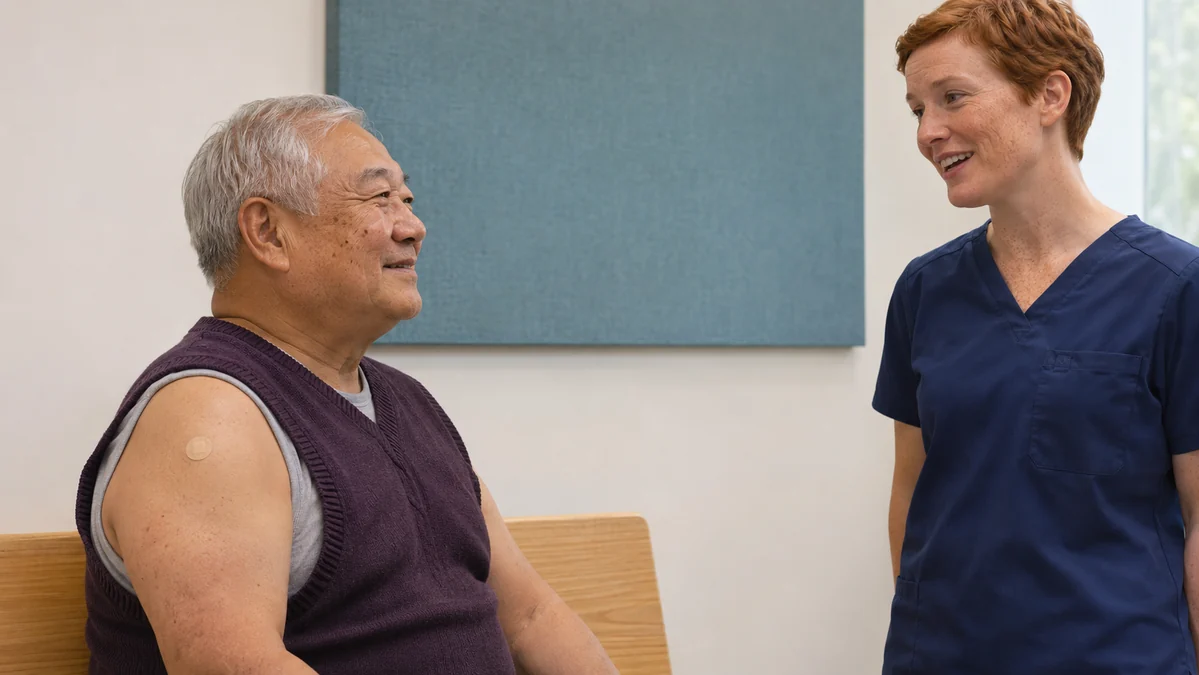
Shingles vaccine: should you get it if you’ve already had shingles?
A bout of shingles can be painful enough that you never want to go through it again. It can come back, and a vaccine can help lower that risk. It can also protect you from nerve pain that hangs around after the skin heals. Whether it’s time to get vaccinated depends on your age, health and local guidance.
What the vaccine helps prevent
After chickenpox, the virus stays quiet in your nerves. If it becomes active again, it can cause shingles, a rash that often blisters and burns on one side of the body. Sometimes the pain stays for months and makes it hard to sleep or even wear a shirt. This is called postherpetic neuralgia. Vaccination lowers the risk of shingles and of this lingering pain. It can’t guarantee you’ll never get shingles.
Who should ask about getting vaccinated
In the United States, the CDC recommends the vaccine for adults 50 and older. It also recommends it starting at age 19 for people whose immune systems are weakened by a disease or a treatment. If you’re about to start a medicine that lowers your immune defenses, ask your care team when to schedule the shots. Your doctor’s office or pharmacist can help you find the vaccine.
Plan for two doses
Shingrix contains no live virus. In the United States, you usually get two shots in the upper arm, 2 to 6 months apart. If you have a weakened immune system, your care team may recommend the second shot after 1 to 2 months. If more than 6 months have passed, call to arrange your second dose. The Centers for Disease Control and Prevention say you do not need to start over.
A sore arm, headache, fatigue, muscle aches or a fever can last two or three days. Call your healthcare professional if symptoms get worse or aren’t improving. Get emergency help if you have trouble breathing or your face or throat swells after the shot. Tell the person giving it if you’ve ever had a severe allergic reaction to a dose or ingredient.
At your appointment, bring any vaccine record you have and mention upcoming treatment that could weaken your immune system. Tell the vaccination team if you are pregnant or have an illness that makes you feel quite unwell. They can advise if it is better to wait.
What if you’ve already had shingles?
If you’ve had shingles before, tell your clinician when the rash went away. In the United States, the Centers for Disease Control and Prevention do not set a minimum wait once the episode has ended. The vaccine helps prevent future episodes. If you have a new rash or pain near an eye, get medical care promptly.
Content details
- Study design
- Patient information, product guidance and national vaccination recommendations. The local guidance applies to the country named in each version.
- Population and context
- Adults seeking general information on shingles vaccination, with United States guidance.
- Evidence limitations
- Eligibility, access and timing depend on location, health history and vaccine product.
📚 Sources
- Mayo Clinic — Shingles vaccine: Should I get it?
- Centers for Disease Control and Prevention — Shingles Vaccination
- Centers for Disease Control and Prevention — Recombinant Zoster Vaccine Information Statement
- Ministero della Salute — Calendario vaccinale
- Robert Koch-Institut — Gürtelrose (Herpes zoster): Fragen und Antworten
- Haute Autorité de santé — Avis du 27 février 2025 sur la vaccination contre le zona
- Comisión Federal para la Protección contra Riesgos Sanitarios — Ficha técnica de Shingrix
- Ministério da Saúde do Brasil — Vacina contra herpes-zóster e SUS
- Centers for Disease Control and Prevention — Shingles Vaccine Recommendations
- Consejo de Salubridad General — Acuerdo por el que se actualiza el Compendio Nacional de Insumos para la Salud versión 2023
- Robert Koch-Institut — Epidemiologisches Bulletin 4/2026: Empfehlungen der Ständigen Impfkommission
- Ministère de la Santé — Calendrier des vaccinations et recommandations vaccinales 2026, section 2.21 Zona
Sources checked on: 19 November 2026