



Pregnancy week 13: growth, healthy gums and infection prevention
A growing baby, not a full-size picture
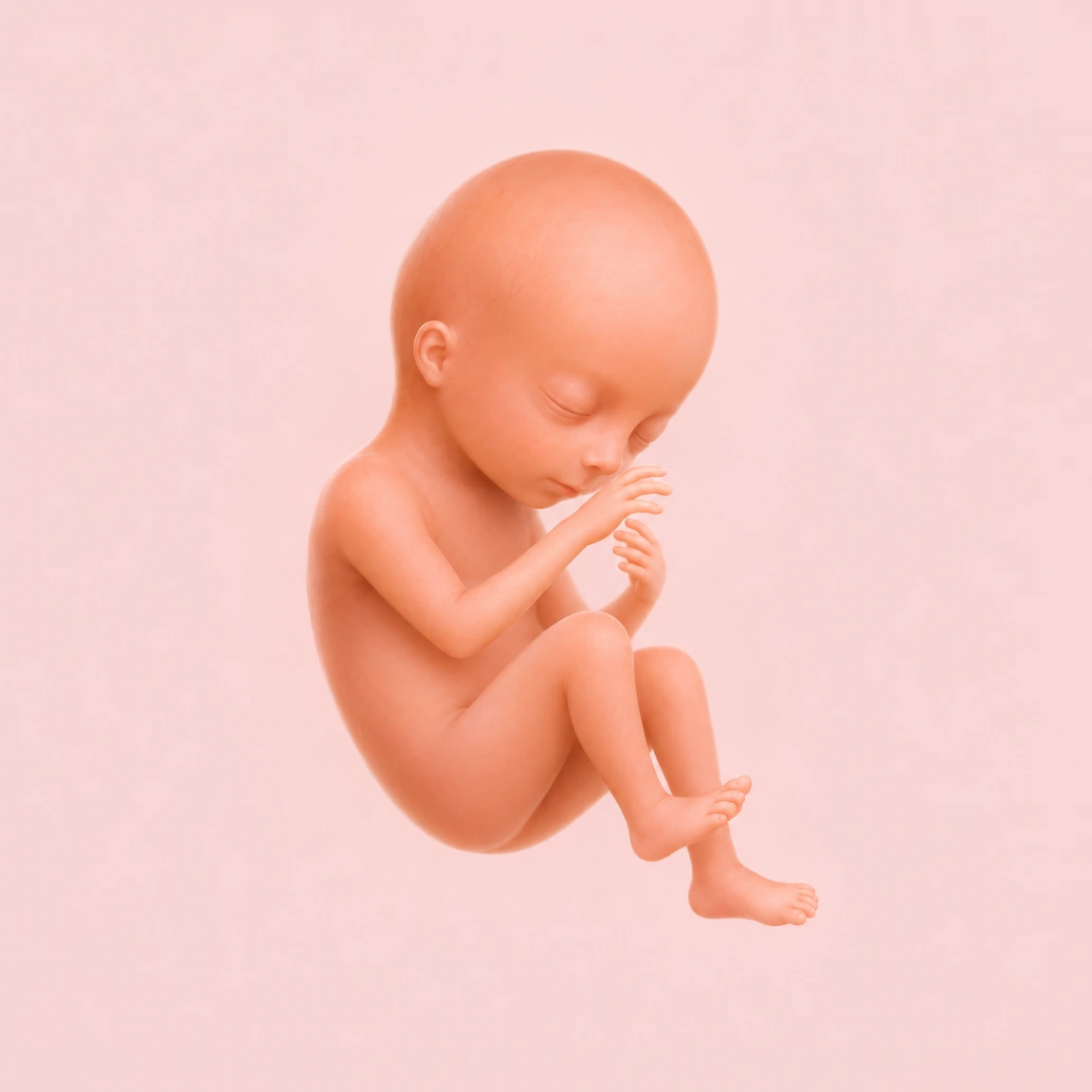
Week 13 is counted from the first day of the last menstrual period, about eleven weeks after fertilization. The National Health Service uses roughly 7.4 cm and a peach as a size comparison. This is the head-to-bottom stage of measurement, not the length with the legs straight. Individual growth and fruit sizes vary. The head remains large, the eyelids are closed and the limbs are thin. Hands can close, and organs keep developing. The baby moves, but most people first feel movement at 16–24 weeks. Not feeling kicks at week 13 is expected.
Your body and your next appointment
Nausea or tiredness may ease, but they can also continue. A changing waist, appetite or sex drive is not a test of how the pregnancy is developing. Tell your care team about symptoms that disrupt eating, drinking, sleep or daily life. Follow your local appointment schedule. If you have not arranged prenatal care, contact a service now. Ask what the first scan or screening result means and whether any follow-up is needed; a screening result estimates a chance rather than giving a diagnosis.
Give your gums some care
Hormonal changes can make gums more sensitive. Bleeding when brushing still deserves a dental check. Brush twice daily with fluoride toothpaste and clean between the teeth each day. After brushing, spit out the toothpaste rather than rinsing it away. After vomiting, rinse your mouth with water. Tell the dentist you are pregnant. Ask for an urgent dental appointment if gums are very painful and swollen or teeth become loose. Access and payment rules depend on your country.
Lowering infection risks
Wash your hands after handling soil, cat litter or young children’s saliva, and before preparing food. Ask someone else to empty the litter tray; if you must do it, use disposable gloves, clean it daily and wash your hands. Wear gloves for gardening. These steps lower exposure to germs, including the parasite that causes toxoplasmosis. Avoid sharing cups or cutlery with young children to reduce exposure to cytomegalovirus, a virus that can affect a developing baby. Contact your clinician promptly after possible chickenpox or rubella exposure, or a new rash.
Movement, comfort and intimacy
If your pregnancy is uncomplicated, comfortable activity and sex are usually safe. Follow any individual restrictions from your clinician. If you have bleeding, stop penetrative sex until you have been assessed. For activity, start gently if you were inactive, drink water and stop if you feel unwell. The general target is 150 minutes of moderate activity across the week, adapted to your health; you should still be able to talk. Avoid contact sports, activities with a risk of falling and scuba diving.
When to get medical help
Seek advice for any bleeding, persistent abdominal pain, fever or repeated vomiting that makes drinking difficult. Severe abdominal pain, heavy bleeding, fainting, or shoulder-tip pain with abdominal pain or bleeding need urgent assessment. Do not wait for the next routine visit.
How to read the size comparison
The food gives a rough sense of size. Its length and shape can vary. The photo is for comparison, and the number is an approximate length for this week of pregnancy. Growth and timing vary from one pregnancy to another.
Content details
- Study design
- Public clinical guidance on early pregnancy, with an original educational illustration prepared using artificial intelligence.
- Population and context
- Adults around 13 weeks pregnant.
- Evidence limitations
- The food gives a rough sense of size. Its length and shape can vary. The photo is for comparison, and the number is an approximate length for this week of pregnancy. Growth and timing vary from one pregnancy to another.
📚 Sources
- National Health Service — United Kingdom public health service — Best Start in Life — Week 13
- National Library of Medicine — MedlinePlus — Fetal development
- National Health Service — United Kingdom public health service — Your baby's movements
- National Health Service — United Kingdom public health service — Gum disease
- National Health Service — United Kingdom public health service — Infections in pregnancy that may affect your baby
- Tommy’s — Is it safe to have sex in pregnancy?
- National Health Service — United Kingdom public health service — Exercise in pregnancy
- National Health Service — United Kingdom public health service — Your antenatal care and appointments
- National Health Service — United Kingdom public health service — Vomiting and morning sickness
- National Health Service — United Kingdom public health service — Ectopic pregnancy: Symptoms
Sources checked on: 5 November 2026