




Nuts and heart health. Which kinds to choose and how much to eat
A small handful of nuts can take the place of chips or cookies at snack time. What matters is what you choose and what it replaces. Almonds, walnuts and hazelnuts contain mostly unsaturated fat, which can fit into a heart-healthy way of eating.
What nuts offer your heart
Replacing some saturated fat with unsaturated fat can help lower LDL cholesterol. LDL can contribute to the buildup of deposits in arteries. Nuts also provide fiber, protein and plant sterols, compounds from plants that can help lower cholesterol. Walnuts contain ALA, a type of omega-3 fat from plants. Research has linked eating nuts regularly with lower levels of some signs of inflammation. The overall eating pattern matters, too.
What a serving looks like
Mayo Clinic suggests about four to six servings of unsalted nuts a week for adults. A serving is a small handful, about one ounce, or two tablespoons of nut butter. Nuts have a lot of calories in a small volume. If you want to see how much you’re eating, put a portion in a small bowl rather than reaching into the bag.
An ounce of raw almonds has 164 calories and about 14 grams of fat. The same amount of walnuts has 185 calories and about 19 grams of fat. Dry-roasted pistachios have 162 calories and 13 grams of fat per ounce. These examples are for unsalted nuts. Check the package for the values in the product you buy.
These are adult portions. Whole nuts and spoonfuls of nut butter can cause choking in young children.
Which nuts to pick
Try rotating walnuts, almonds, hazelnuts and pistachios. Peanuts are an option, too, though they’re legumes. Look for raw or dry-roasted options without added salt or sugar. Check the ingredient list on nut butter. A jar made with just peanuts or almonds makes it easy to see what you’re getting. If you have a food allergy, follow your care team’s advice, including on possible contact with other nuts during processing.
Whole nuts, butter or oil?
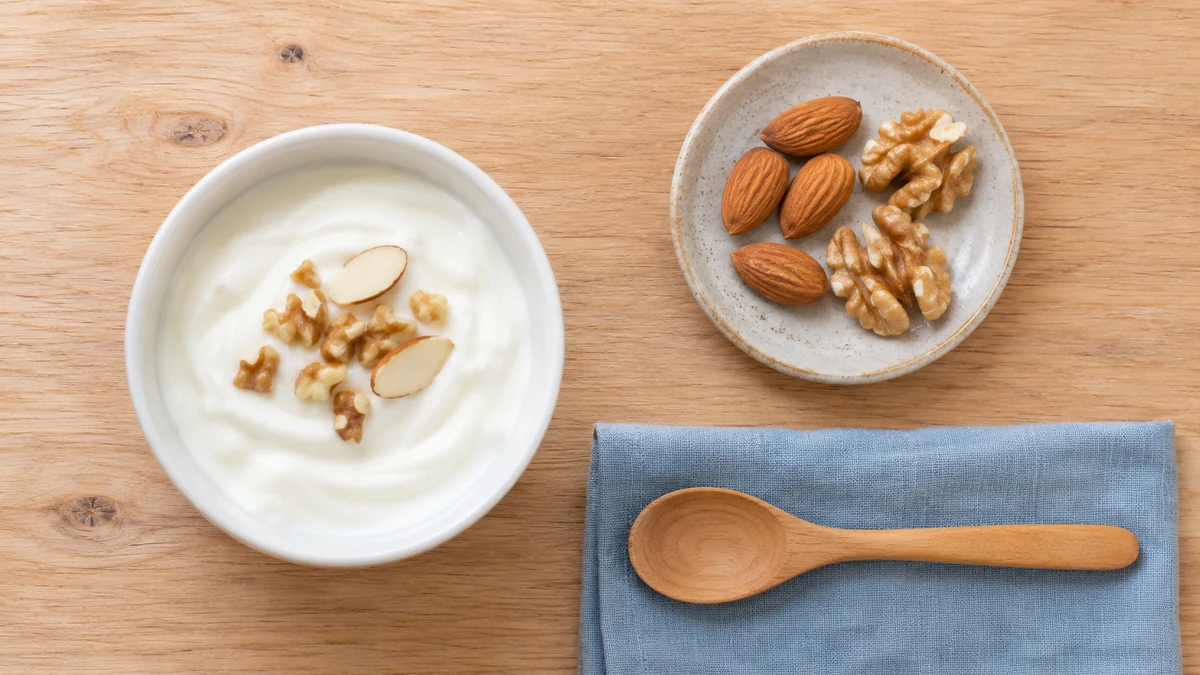
Walnut oil adds flavor to a salad and provides unsaturated fats. It has none of the fiber of whole walnuts. Use a small amount and check whether the label recommends using it without heating. To try whole nuts in meals, add a little to plain yogurt or chop some over vegetables and grains. You can also portion out a small snack to take with you.
Comparing nuts at the store
Nutrition varies even among unsalted options. An ounce of raw hazelnuts has 178 calories and about 17 grams of fat. Raw macadamias have 204 calories and about 22 grams of fat per ounce. The same amount of roasted chestnuts has 70 calories and less than one gram of fat. Fewer calories don’t make one choice better for everyone. You can rotate kinds based on taste, cost and what else is in the meal.
Compare labels for the same amount of food. One package may list the numbers per ounce, while another lists them for the whole bag. Look for salt and sugar in the ingredient list. Chocolate-covered or candied nuts differ from plain nuts, even when the packaging looks similar.
Keeping nuts fresh
The American Heart Association recommends refrigeration to slow rancidity. Follow product labels for nut butters and oils; an unpleasant smell or bitter taste can signal deterioration.
How to put the heart benefits in context
Studies link a diet that includes nuts with healthier blood vessels and a lower risk of some heart problems. These findings apply to eating patterns. What your serving contributes depends partly on what it replaces. Swapping a portion of plain nuts for a snack high in salt or saturated fat is one example.
Content details
- Population and context
- Adults interested in making nuts part of their eating pattern.
- Evidence limitations
- Serving sizes and frequency are general examples. Allergies and individual nutrition needs matter.
📚 Sources
- Mayo Clinic — Nuts and your heart: Eating nuts for heart health
- Mayo Clinic News Network — Housecall: Nuts and heart health
- American Heart Association — Go Nuts (But Just a Little!)
Sources checked on: 16 November 2026