



Pregnancy symptoms: common changes and signs that need medical attention
A missed period, unusual tiredness or a change in how food smells may make you wonder whether you are pregnant. None of these signs confirms pregnancy on its own. Some people notice several changes, others very few or none. Symptoms can also differ between pregnancies in the same person. A test answers a different question from a symptom checklist, and worrying symptoms deserve attention whether or not a test is positive.
What may change in the early weeks
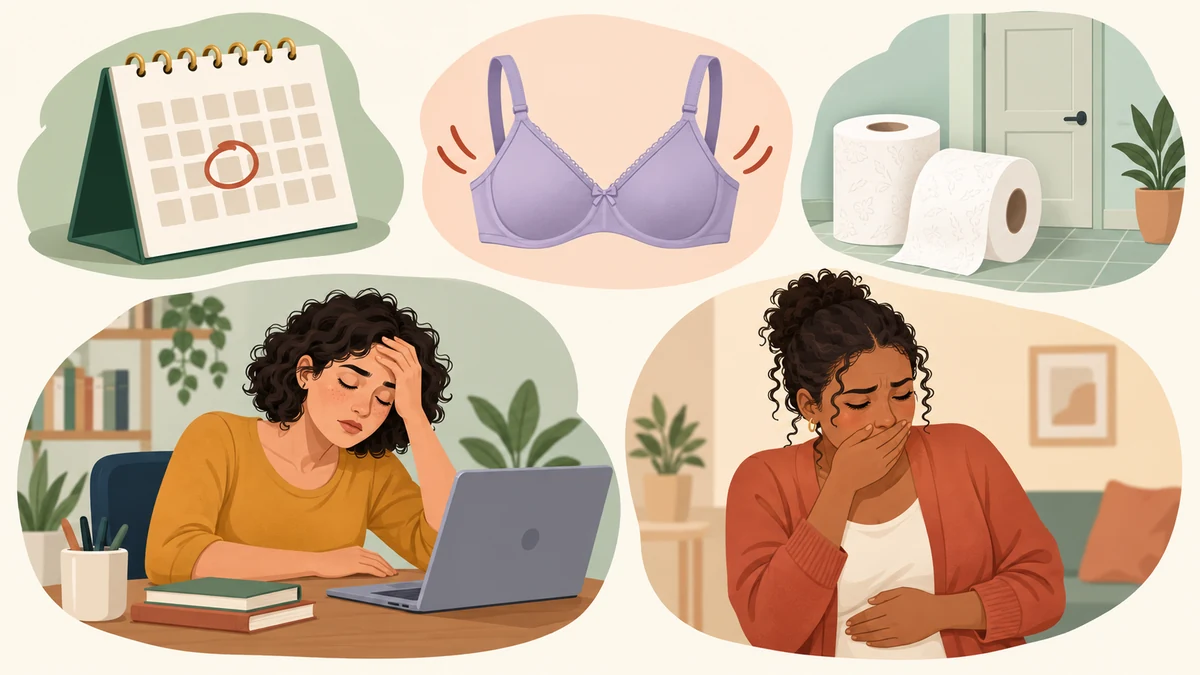
England’s National Health Service says early symptoms commonly begin around four to six weeks of pregnancy, counted from the last menstrual period. A missed period is a useful clue when cycles are usually regular, but stress, excessive exercise and hormonal conditions can also delay it. Breast tenderness or enlargement, darker areolas, fatigue and more frequent urination are common. Pregnancy nausea can occur at any time of day or night, despite the name morning sickness. Experiences vary, and their presence or absence does not replace assessment of how a pregnancy is developing.
Other changes may include constipation, bloating, a metallic taste, sensitivity to smells, food cravings or aversions and changes in mood. Some notice nasal congestion, skin changes or mild intermittent cramps. More vaginal discharge can occur without soreness or irritation; urinating more often should not simply be assumed normal if it hurts. Tell a clinician about pain, burning, unusual smell or irritation instead of attributing everything to pregnancy. Light spotting can occur, but its appearance alone cannot establish that implantation is the cause. Report vaginal bleeding and ask how urgently it needs assessment.
Use a test rather than counting symptoms
Most home tests can be used from the first day of a missed period. Follow the instructions for that product. Testing too early can give a negative result despite pregnancy; repeat after a few days if pregnancy remains possible, and seek advice if a second negative is followed by continued absence of periods. Contact a pregnancy-care provider after a positive result. Neither the strength of nausea nor a faint line establishes pregnancy location or guarantees a healthy outcome. Do not delay care for significant pain or bleeding while waiting to test again.
When nausea or tiredness goes beyond an ordinary change
The US Centers for Disease Control and Prevention identifies severe vomiting, inability to keep fluids down and signs of dehydration as urgent warning signs. Its examples include being unable to drink for more than eight hours or eat for more than 24 hours. These are reasons to seek care, not targets to wait for if you are worsening. A dry mouth, marked dizziness, confusion or fever alongside vomiting needs prompt attention. Sudden overwhelming weakness that prevents ordinary activities also deserves assessment, rather than being dismissed as routine pregnancy fatigue.
Recognize symptoms that should not wait
Get immediate medical advice for a fever of 38°C (100.4°F) or higher, a severe or persistent worsening headache, new visual disturbance, extreme swelling of the face or hands, or a painful, swollen or red limb, especially on one side. A new very fast or irregular heartbeat, especially with dizziness or breathlessness, also needs immediate assessment. Vaginal bleeding, fluid leakage or foul-smelling discharge also needs prompt assessment. Later in pregnancy, once you are used to feeling your baby move, a reduction or stopping of movement needs immediate contact with the maternity team; this is not an expected sign in the earliest weeks. Thoughts about harming yourself or your baby require immediate professional support.
Call local emergency services for severe breathing difficulty, chest pain, collapse or sudden severe abdominal pain, particularly with dizziness or fainting. Possible pregnancy with one-sided lower abdominal pain, bleeding or shoulder-tip pain needs urgent assessment because ectopic pregnancy is one possible explanation. Symptoms alone cannot diagnose the cause. The Centers for Disease Control and Prevention also reminds readers that serious pregnancy-related problems can occur during the year after birth: tell the clinician if you are pregnant or recently gave birth. This list is not exhaustive. If something feels seriously wrong, seek help even when it does not fit a familiar symptom list.
Content details
- Study design
- Institutional patient guidance, not a diagnostic study: National Health Service symptoms page reviewed July 31, 2026; Cleveland Clinic article updated May 11, 2026; Centers for Disease Control and Prevention warning-sign guidance dated May 15, 2024. The separate National Health Service testing and ectopic-pregnancy pages retain 2022 review dates.
- Population and context
- General pregnancy information, with early symptoms distinguished from urgent signs throughout pregnancy. The later-pregnancy movement warning and the year-after-birth context are explicitly identified.
- Evidence limitations
- Symptoms overlap with other conditions and cannot confirm pregnancy, its location or viability. Timing varies; the warning list is not exhaustive and does not replace individualized triage.
📚 Sources
- National Health Service — public health service, England — Signs and symptoms that might mean you’re pregnant
- Cleveland Clinic — nonprofit academic medical center, United States — Am I Pregnant?
- Centers for Disease Control and Prevention — national public health agency, United States — Urgent Maternal Warning Signs and Symptoms
- National Health Service — public health service, England — Doing a pregnancy test
- National Health Service — public health service, England — Ectopic pregnancy
Sources checked on: 30 October 2026