




Loud snoring and pauses in breathing. When to ask about sleep apnea
You may have no idea what happens to your breathing after you fall asleep. The person next to you might hear loud snoring, then silence, then a sudden gasp. If that pattern keeps happening, tell your doctor. It can be a sign of obstructive sleep apnea.
Why breathing can pause
Snoring happens when airflow makes the tissues in your throat vibrate. With obstructive sleep apnea, the throat muscles relax during sleep and the airway narrows or closes. Breathing slows or briefly stops, and blood oxygen can drop. Your brain wakes you just enough to reopen the airway. These interruptions can be so short that you don’t remember them in the morning, even if they happened many times.
What to look for at night and during the day
Loud snoring, pauses in breathing, waking up choking or gasping, and frequent trips to the bathroom can all be clues at night. During the day, you might feel sleepy despite spending plenty of time in bed. You could wake with a dry mouth or a headache, feel more irritable or have trouble focusing. Snoring alone can have other causes. A stuffy nose, alcohol and sleeping on your back can make it worse.
Sleep apnea is more common as people get older. Excess weight, a family history, large tonsils or a jaw shape that leaves less room for airflow can raise the risk. People at any weight can have it. If you nod off while driving, pull over safely and arrange another way to get where you’re going. Contact your doctor promptly.
What happens when you get checked
Tell your doctor when the changes started and what anyone who shares your room has seen or heard. Bring your medication list and mention high blood pressure. A home sleep apnea test may be an option for some adults. A study in a sleep lab records more signals, including breathing, blood oxygen and sleep stages. The lab may be the better starting point if you have a serious heart or lung condition, have had a stroke or have severe insomnia.
What if the home test comes back negative?
If you were being checked for sleep apnea and your home test is negative, unclear or missing usable data, ask about a study in a sleep lab. The American Academy of Sleep Medicine recommends this next step. At the follow-up, mention any breathing pauses or daytime sleepiness you still notice. A sleep questionnaire can help guide the conversation, but it can’t diagnose sleep apnea on its own.
What can help
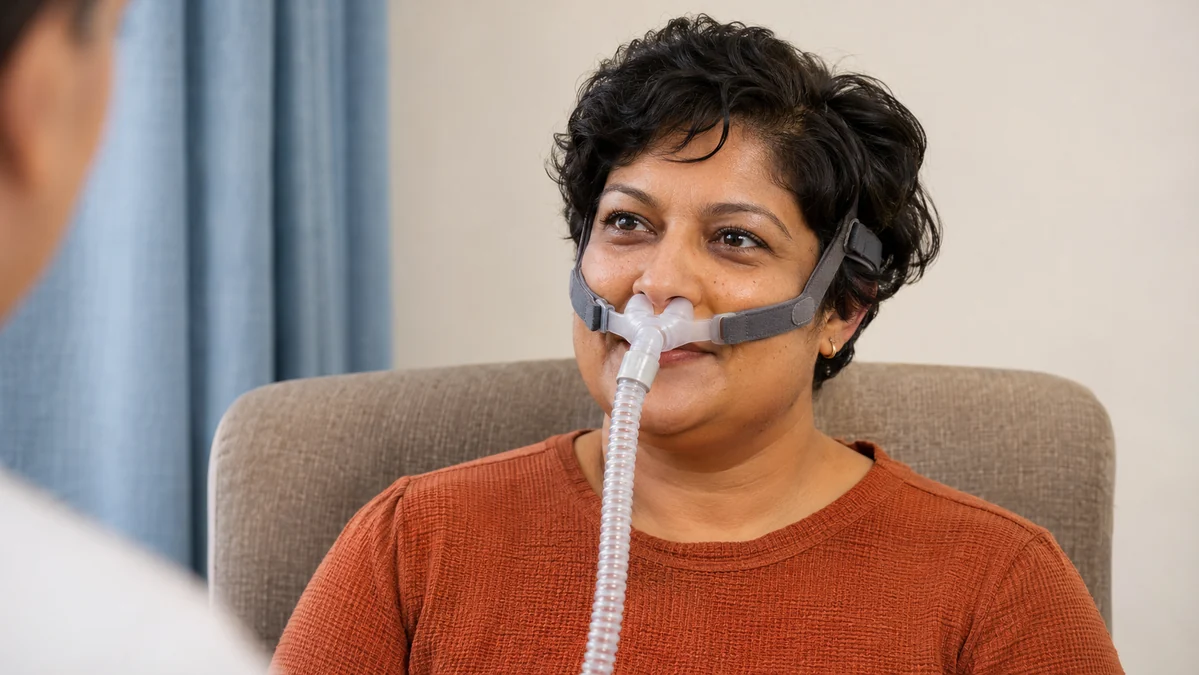
Side sleeping, avoiding alcohol near bedtime and managing weight when appropriate can help some people. If you have sleep apnea, your clinician may recommend CPAP. A mask delivers air at enough pressure to keep the airway open. Some people use a fitted mouth device or discuss surgery. Getting checked can help you address drowsy driving and health risks linked to sleep apnea, including high blood pressure and heart problems.
What the type of snoring can tell you
A stuffy nose from allergies can make you breathe through your mouth. If the noise starts in your nose, nasal strips may make breathing easier. With obstructive apnea, the blockage is lower down, in your throat. Strips won’t treat those breathing pauses. If you’ve used a decongestant spray for several days, ask about next steps. Using certain sprays too long can make stuffiness worse. Quitting smoking may also help reduce snoring.
Before an appointment, write down what a typical night looks like. Note when you go to bed and get up, how often you wake and whether you doze off during the day without planning to. Ask your bed partner whether pauses are more noticeable when you’re on your back. Mention sleep aids or other medicines that make you drowsy. Your doctor can review whether they play a role and whether any changes are needed.
How treatment is tailored
Your options depend on how severe your apnea is and what your airway is like. If the CPAP mask leaks, leaves your mouth dry or feels uncomfortable, contact the team that fitted it. A different size or style may help. Tell them if you still snore or feel sleepy during the day. A fitted oral device may move your lower jaw forward to make more room for airflow. Ask when to come back to see how well the treatment is working.
Content details
- Population and context
- Adults with snoring, daytime sleepiness or observed pauses in breathing during sleep.
- Evidence limitations
- Several conditions can cause these symptoms. Diagnosis takes a clinical evaluation and, when indicated, a sleep study.
📚 Sources
- Mayo Clinic News Network — How do I quiet my snoring?
- Mayo Clinic — Obstructive sleep apnea: Symptoms and causes
- Mayo Clinic — Obstructive sleep apnea: Diagnosis and treatment
- American Academy of Sleep Medicine — Clinical Practice Guideline for Diagnostic Testing for Adult Obstructive Sleep Apnea
Sources checked on: 19 November 2026