



Breastfeeding in the first days: feeds, milk intake and getting support
Breastfeeding in the first days is something you and your baby learn together. Frequent feeds can be expected, but persistent pain, poor feeding or a baby who is unusually sleepy deserve help. A useful assessment looks at milk transfer, diapers and growth together, rather than judging success by a single feed.
Start with support, not a rigid timetable
The World Health Organization recommends starting breastfeeding within the first hour when possible, breast milk alone for the first six months, and continued breastfeeding to two years or beyond alongside complementary foods from six months. Medical circumstances can require an individual plan. Families need practical, respectful support, including when mixed feeding or formula is needed or chosen.
What frequent feeding can look like
In the first days, a newborn may feed every 1–3 hours. The Centers for Disease Control and Prevention describes about 8–12 breastfeeds in 24 hours during early infancy. Some feeds bunch together, known as cluster feeding; their length also varies. In the first weeks, sleepy newborns may need waking to feed every 2–4 hours. Ask your care team for a plan based on age, weight and health. Do not assume a long sleep means enough milk was taken.
Comfort and swallowing matter
Look for a wide mouth, chin against the breast, an unobstructed nose and rounded cheeks. Early quick sucks should give way to rhythmic sucking and swallowing, with pauses. Persistent pain after the first few sucks, damaged nipples, repeated slipping off or a nipple that looks pinched or flattened afterward are reasons to ask a trained professional to watch a whole feed. A photograph cannot confirm an effective latch or milk intake.
Use diapers and weight as a combined check
The National Health Service in England advises at least six heavy wet diapers per 24 hours from day five onward; output is lower in the first days. From day four, at least two soft yellow stools daily are expected during the early weeks. Some initial weight loss is common, but weight should then be monitored for recovery and ongoing gain. These signs belong together: one reassuring diaper does not cancel poor feeding or unusual sleepiness. Pink or red urate staining that continues beyond the first couple of days should be reported.
Protect milk supply without delaying needed nutrition
Offer feeds responsively, day and night, and ask about offering both breasts. Poor attachment, long gaps, separation, illness, previous breast surgery and some medicines can affect supply. Replacing breastfeeds with formula can reduce breast stimulation; if supplementation is needed, agree a feeding and, where appropriate, milk-expression plan with your clinician. Do not delay a medically needed supplement to meet an exclusivity goal. Ask about vitamin D under local guidance rather than assuming every country uses the same supplementation rules.
Before you go home, agree on the first check
Ask your maternity team when and where your baby’s weight and feeding will next be checked. Put the date and a phone number for after-hours help somewhere you can find them quickly. For babies who go home before they are 48 hours old, the Academy of Breastfeeding Medicine recommends a check within 24 to 48 hours of leaving. At that visit, the team can compare your baby’s weight with their birth weight, look for jaundice, ask about diapers and watch a feed. If you’re worried sooner, contact them before the appointment.
When to seek help promptly
Contact your maternity or pediatric team promptly for fewer wet diapers than expected, ineffective feeding, worsening jaundice, weight concerns or ongoing pain. A baby who is difficult to wake, unresponsive or struggling to breathe needs emergency help, not another attempt to wait for a feed. Write down feeds and diapers briefly if useful, and bring questions to the next weight check. Partners can help with meals, rest and arranging skilled support; feeding difficulties are a reason for care, not blame. If your baby has a temperature of 100.4°F (38°C) or higher in the first weeks, get urgent medical advice right away, even if they are still feeding.
Content details
- Study design
- Institutional recommendations, not a new study. Centers for Disease Control and Prevention: April 16, 2026. National Health Service breastfeeding page: April 30, 2026; fever page: January 3, 2024. World Health Organization: August 4, 2026. United Kingdom Committee for UNICEF checklist: no publication or review date displayed; linked from the current National Health Service page.
- Population and context
- Parents and caregivers starting breastfeeding and during the early weeks. Premature babies, illness, breast surgery and specific feeding needs require an individual clinical plan.
- Evidence limitations
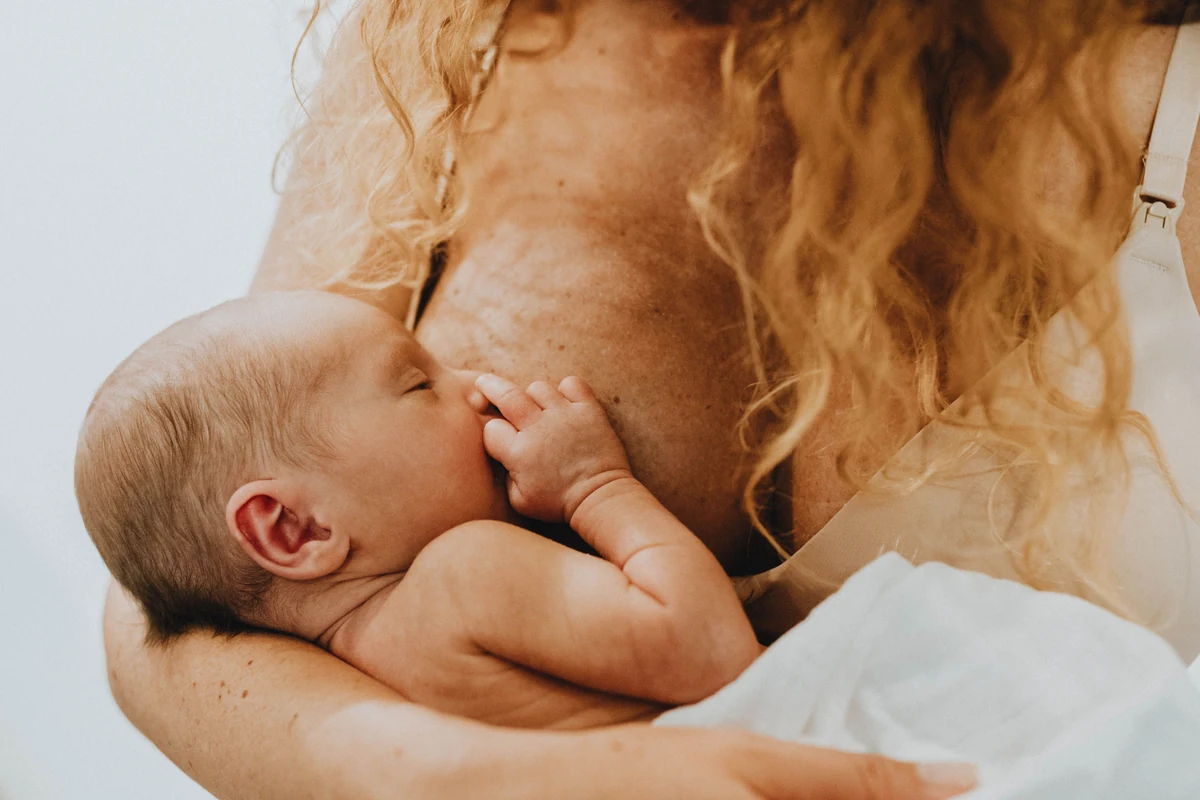
- Feed counts alone cannot establish adequate intake. Diaper expectations differ slightly between the British resources; this article uses the 2026 National Health Service guidance and recommends individual assessment. The photograph is illustrative, not a demonstration of correct latch.
📚 Sources
- Centers for Disease Control and Prevention — United States public health agency — How Much and How Often to Breastfeed
- National Health Service — public health service in England — Breastfeeding: is my baby getting enough milk?
- World Health Organization — global health agency — Infant and young child feeding
- United Kingdom Committee for UNICEF — UK committee for the United Nations Children’s Fund — How can I tell that breastfeeding is going well?
- National Health Service — public health service in England — High temperature (fever) in children
- Academy of Breastfeeding Medicine — Clinical Protocol #2: Guidelines for Birth Hospitalization Discharge of Breastfeeding Dyads
Sources checked on: 19 November 2026