



Heart attack: recognize the signs and know what happens after you call for help
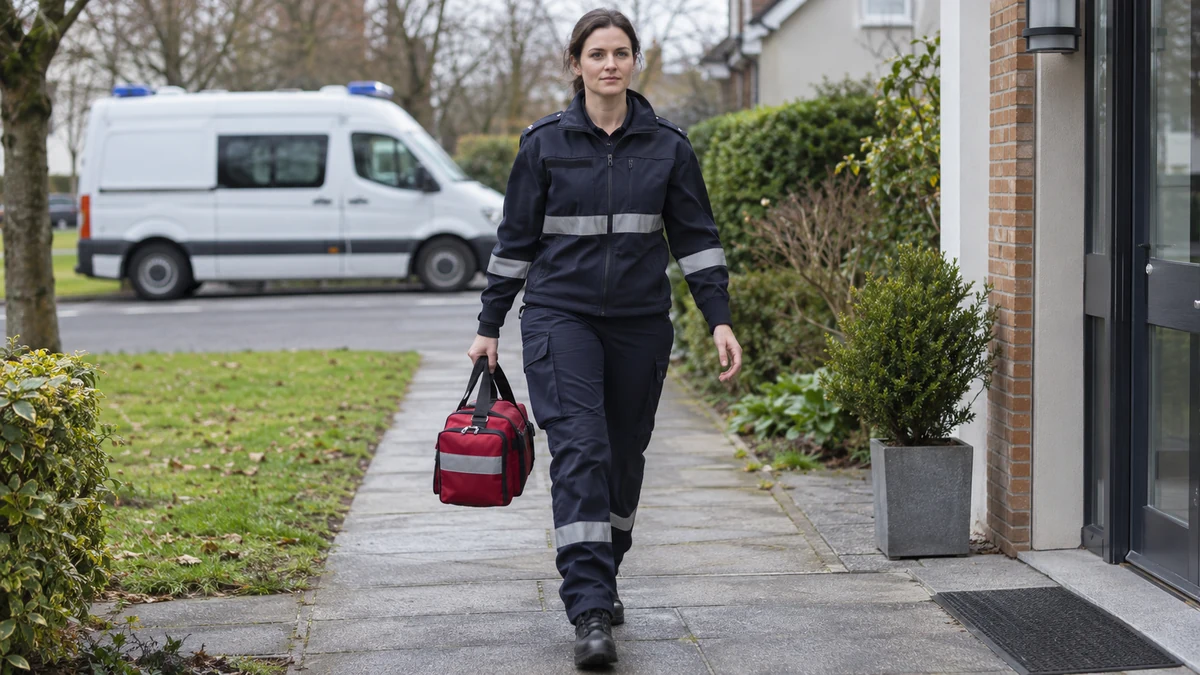
If you think someone may be having a heart attack, call 911 right away in the United States. Elsewhere, call the local emergency number. Call even if the discomfort is mild, goes away, or returns. Do not drive yourself to the hospital. The ambulance team can assess you, start care, and alert the hospital while you are on the way.
Symptoms do not always look dramatic
A heart attack can start with pressure, squeezing, heaviness, burning, or pain in the chest. The feeling can spread to one or both arms, the shoulders, back, neck, jaw, or upper belly. Some attacks begin suddenly; others start slowly with discomfort that is easy to dismiss. Do not wait for unbearable pain before calling.
Shortness of breath, cold sweat, nausea, vomiting, dizziness, and unusual tiredness can also occur. Trouble breathing may happen without chest pain. You cannot reliably tell at home whether a new symptom is indigestion, anxiety, or a heart problem. Emergency assessment is the safer step when a heart attack is suspected.
Chest discomfort remains the most common symptom in both women and men. Women may also have symptoms such as nausea, back or jaw pain, or unusual fatigue. Older adults and people with diabetes may have mild symptoms or a heart attack that goes unnoticed. Age, sex, or the absence of severe pain cannot rule one out.
The call comes before home remedies
Tell the dispatcher your location, what the person is feeling, and when it began, if you know. Say immediately if they become unresponsive or their breathing changes. Follow the dispatcher’s instructions. Ambulance crews have equipment and training to manage a sudden deterioration; a private car cannot provide the same care.
Do not delay the call while looking for aspirin. Take it only if a healthcare professional or emergency dispatcher tells you to: it is not suitable for everyone. If you have been prescribed nitroglycerin, use it as directed while awaiting help. Do not borrow someone else’s medicine or let temporary relief cancel the emergency call.
If the person collapses, the response changes
A heart attack means blood flow to part of the heart is interrupted. Cardiac arrest means the heart is no longer pumping blood effectively. They are different emergencies, but a heart attack can trigger an arrest. Someone having a heart attack may still be awake and breathing normally.
If an adult does not respond and is not breathing normally, including only gasping, call emergency services or tell the dispatcher immediately. Put the phone on speaker and start chest compressions in the center of the chest, following instructions. If someone else is there, ask them to bring an automated external defibrillator, or AED. Follow its spoken prompts. This is a brief guide for an adult emergency, not a replacement for practical CPR training.
What is happening inside the heart?
The heart muscle needs a steady supply of oxygen-rich blood through its coronary arteries. Often, a fatty deposit in an artery wall breaks open and a blood clot forms, blocking the flow. Without enough oxygen, heart muscle can be damaged and die. Restoring blood flow quickly helps limit that damage.
Not every heart attack starts in exactly the same way. A sudden tightening of an artery, or a tear within its wall, can also interrupt flow. The team needs to identify the cause because treatments are not interchangeable. Damage may leave a scar, weaken pumping, or disturb the heartbeat. Serious complications include heart failure, dangerous rhythms, cardiac arrest, and death.
Why several tests may be needed
An electrocardiogram, or ECG, records the heart’s electrical activity. It can reveal changes that need urgent treatment. Blood tests look for troponin, a protein that rises when heart muscle is injured. Blood samples and sometimes the ECG are repeated because the findings can change over time. One early result does not answer every question.
Doctors interpret tests alongside symptoms, their timing, and medical history. An ultrasound scan can show how well the heart pumps. An examination of the coronary arteries using dye and X-rays can help locate a blockage and plan treatment. Not everyone needs every test, and an urgent procedure may start before the full assessment is complete.
Treatment: reopening the artery and protecting the heart
When appropriate, doctors pass a thin tube through a blood vessel to reach the blocked artery. A small balloon widens the narrowing, and a mesh tube called a stent may be placed to keep it open. This procedure is called angioplasty. The choice and timing depend on the type of heart attack, the findings, and how quickly suitable care can be reached.
In selected situations, a medicine can dissolve the clot, particularly when timely angioplasty is not available and the person is eligible. These medicines can cause serious bleeding and are not suitable for every heart attack. Some people need bypass surgery, which gives blood a new route around blocked vessels. These are decisions for the emergency team, not treatments to choose at home.
Other medicines can reduce new clot formation, lower cholesterol, or ease the heart’s workload. Oxygen may be given when blood oxygen is low; it is not automatically needed by everyone. Tell the team about allergies, medicines, and previous bleeding problems. After discharge, do not stop prescribed clot-preventing medicines on your own, including after a stent. Ask what side effects require a call and what bleeding needs urgent help.
Recovery is more than waiting for the pain to stop
Some people return to many activities within weeks; others need longer. Recovery depends on the damage, treatment, complications, and the demands of daily life. Feeling better does not prove that the heart has fully recovered. Ask for an individual plan for walking, exercise, work, sex, and driving rather than using someone else’s timetable.
Cardiac rehabilitation combines supervised activity, education, help with risk factors, and support for stress. Ask for a referral and how to access a suitable program. Exercise should build up according to the team’s advice. Do not use a new workout to test whether the heart is ready for a heavy effort.
Fear of another attack, sadness, sleep problems, and low mood can affect recovery. Tell your care team if these feelings persist or interfere with daily life. Counseling and other support can help. Family members may also need guidance about what help is useful and which symptoms require an emergency call.
Lowering the chance of another attack
Follow-up usually includes help to stop smoking, manage blood pressure, cholesterol and diabetes, and build eating and activity habits that protect the heart. Family history and age also affect risk, but having fewer risk factors does not make new warning signs safe to ignore. An attack can occur without a previous diagnosis of heart disease.
Before leaving the hospital, ask for a clear medicine list, follow-up appointments, a rehabilitation plan, and instructions for new symptoms. Check whom to contact about ordinary questions and when to call emergency services. If warning signs return, call again immediately. Do not wait for the next appointment or assume that the previous treatment makes another attack impossible.
Content details
- Population and context
- Adults and people helping an adult with a suspected heart attack. Emergency numbers refer to the country stated; use the local number elsewhere.
- Evidence limitations
- General health guidance, not an individual diagnosis or a treatment protocol. Symptoms overlap with other conditions. Procedures, medicines and recovery plans depend on clinical assessment and available services.
📚 Sources
- National Heart, Lung, and Blood Institute — Heart Attack: Symptoms
- National Heart, Lung, and Blood Institute — Heart Attack: Diagnosis
- National Heart, Lung, and Blood Institute — Heart Attack: Treatment
- National Heart, Lung, and Blood Institute — Heart Attack: Recovery
- Mayo Clinic — Heart attack: Symptoms and causes
- American Heart Association News — Call 911 for heart attack or stroke symptoms, or just drive to the ER? What doctors say you should do
- American Heart Association — 2025 Guidelines: Part 7, Adult Basic Life Support
- European Commission — 112: the EU’s emergency phone number
- Ministério da Saúde do Brasil — Infarto
- Assurance Maladie — Reconnaître un infarctus (ou crise cardiaque) et agir au plus vite
- Bundesministerium für Gesundheit — Herzinfarkt: Ursachen, Behandlung, Rehabilitation
- Foreign, Commonwealth & Development Office — Mexico: Getting help (emergency services)
Sources checked on: 15 November 2026