


Childhood cancer: signs, tests, treatment and specialist care
If a doctor suspects cancer, ask what is known, what tests are still needed and who will look after your child. Children and teens can develop many different cancers. A pediatric cancer team can help a family understand the plan for their child’s diagnosis.
MyMedNest editorial guide · Sources checked:
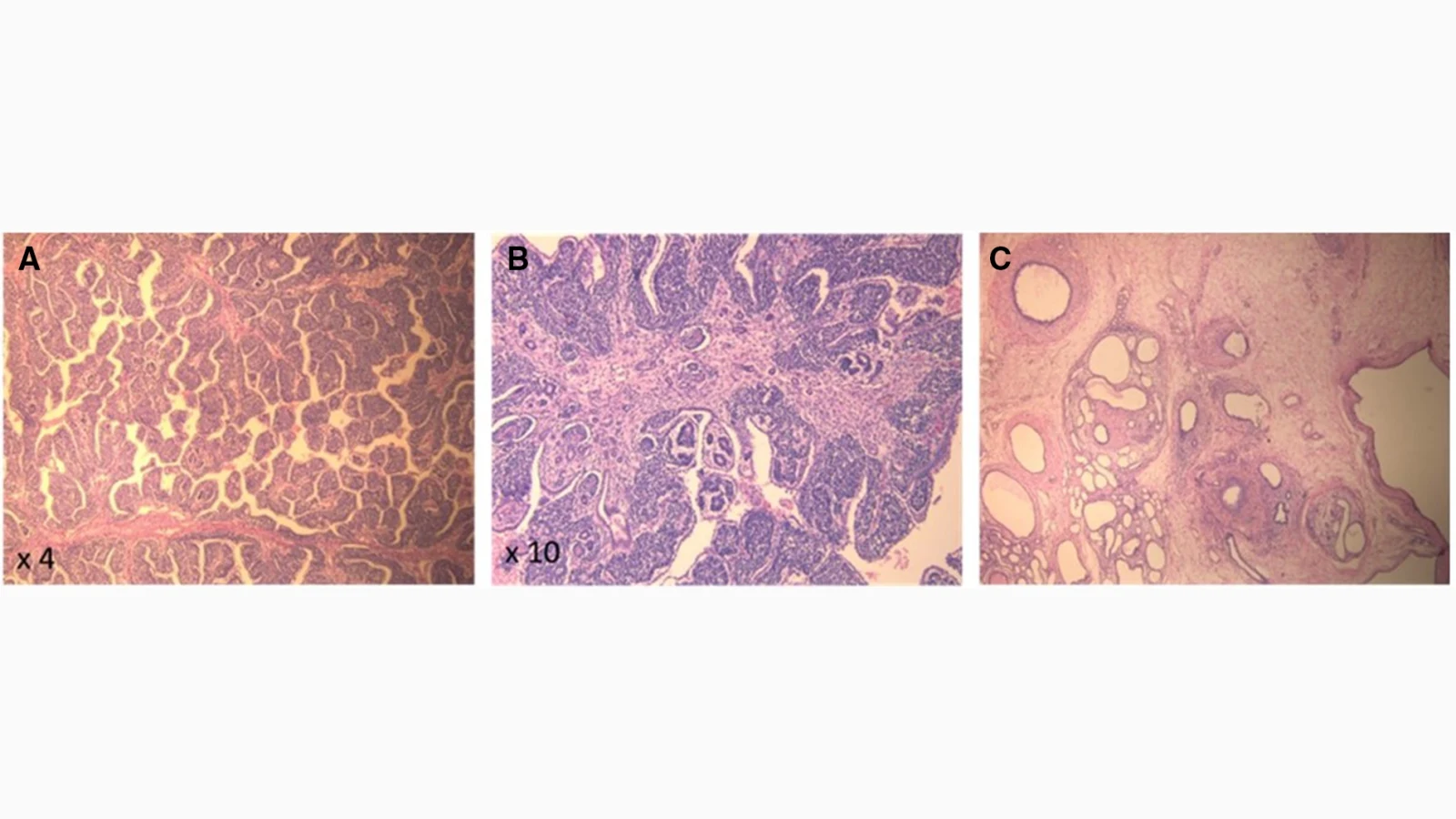
Image source and reuse details
Source: Fetal Wilm's tumor detection preceding the development of isolated lateralized overgrowth of the limb: a case report and review of literature — Figure 2. The complete figure was reduced proportionally and framed in WebP.
In this guide
Types of cancer that can affect children
Leukemia starts in cells that make blood in the bone marrow, the soft tissue inside some bones. Lymphoma starts in cells of the immune system. Other cancers can form a lump in the brain, spinal cord, bones or soft tissues. Neuroblastoma starts from early nerve cells. Wilms tumor starts in a kidney. Retinoblastoma starts in the part of the eye that senses light, called the retina.
The team considers the child’s age, the exact type of cancer and how far it has spread. They also look at features of the cancer cells. Cancers in the same organ can need different treatments.
Source: World Health Organization — Childhood cancer · National Cancer Institute — Childhood Cancers · Frontiers in Pediatrics — Fetal Wilm's tumor detection preceding the development of isolated lateralized overgrowth of the limb: a case report and review of literature
When to see a pediatrician
Lasting pale skin, unexplained bruises, a growing lump, ongoing bone pain or a headache that gets worse should be checked. There can be many causes. Tell the pediatrician when the symptoms started and what has changed.
During treatment that lowers the body’s defenses, report a fever to the cancer team right away according to their plan, even if your child looks well. Ask which number to call at night or on holidays.
Source: World Health Organization — Childhood cancer · National Cancer Institute — Children with Cancer: A Guide for Parents · Ospedale Pediatrico Bambino Gesù — Infezioni: il rischio nel bambino con patologia oncoematologica
How doctors make a diagnosis
Tests depend on what the doctor suspects. A blood test can count the cells in the blood. Sometimes the team takes a small bone marrow sample. An ultrasound, magnetic resonance scan (MRI) or X-ray scan (CT) can show a lump and where it is.
The team decides whether to do a biopsy, which means taking a small piece of tissue to examine. Ask how to prepare your child and what can help with fear and pain. The diagnosis may become more specific once tests on the cells or their DNA are ready. DNA holds the instructions that cells use.
Source: National Cancer Institute — Childhood Cancers · National Cancer Institute — Children with Cancer: A Guide for Parents
How the team chooses treatment
Chemotherapy uses medicines that work against cancer cells. Surgery can remove some tumors. Radiation directs energy at a specific area. Some cancers may need targeted medicines, treatment with immune cells or a transplant of cells that make blood. Ask how long the treatment might take and how you will know it is helping.
One example is tisagenlecleucel. In the United States, it is approved up to age 25 for certain cases of B-cell precursor acute lymphoblastic leukemia that do not respond to treatment or have come back at least twice. The treatment changes the patient’s immune cells in a lab to help them recognize the cancer. The care team watches for serious reactions.
Source: National Cancer Institute — Childhood Cancers · National Cancer Institute — Children with Cancer: A Guide for Parents · United States Food and Drug Administration — KYMRIAH — Package Insert and Approval History
What researchers are studying
A clinical trial follows a written plan to learn how well a treatment works and what risks it carries. Before deciding, ask what is already known, what the trial hopes to find and what extra visits it requires.
Trial NCT06941272 is studying a drug called patritumab deruxtecan in children with certain solid tumors that have returned or did not respond to treatment. These include hepatoblastoma, a liver cancer, and rhabdomyosarcoma, a soft tissue cancer. The study lists recruitment as open. Ask the trial site about openings and eligibility.
Source: National Cancer Institute — Children with Cancer: A Guide for Parents · United States National Library of Medicine — A Study of Patritumab Deruxtecan in Pediatric Participants With Relapsed or Refractory Solid Tumors (MK-9999-01C/LIGHTBEAM-U01)
Daily life and follow-up after treatment
Explain what your child may see and hear at the next visit using words that fit their age. Ask about help with eating, safe activity, school and talking with siblings. Before treatment, ask if it could affect the ability to have children later and which options fit the child’s age.
At the end of treatment, ask for a treatment summary and a written plan for follow-up. Some effects appear later as a child grows. A personal plan explains what to check and which visits to schedule.
Source: National Cancer Institute — Children with Cancer: A Guide for Parents · American Society of Clinical Oncology — Fertility Preservation in People With Cancer: ASCO Guideline Update · National Cancer Institute — Late Effects of Treatment for Childhood Cancer (PDQ®)–Patient Version · National Cancer Institute — Follow-up Care After Treatment for Childhood Cancer
How to find the right team
Look for a pediatric cancer team with experience in the diagnosis. For a visit or a second opinion, bring medical reports, original scans, a list of medicines and any past treatment summary. Ask how to send the records and any samples securely.
Search by country, city or postal code. The listing explains whether the number is for an appointment, specialist assessment or second opinion. For urgent problems during treatment, use your team’s emergency contact.
Find a pediatric cancer center →
Source: Ospedale Pediatrico Bambino Gesù — Chirurgia Oncologica · St. Jude Children’s Research Hospital — Consultations and Second Opinions · Great Ormond Street Hospital — Contact the Haematology and Oncology department
Questions to take to your appointment
- What is the exact name of the cancer and when will we know it?
- What tests are needed and how should my child prepare?
- What is the first goal of treatment and how will we know it is working?
- Who do I call during the day or at night if my child has a fever?
- Could a trial or a second opinion help us?
- What support can we get before, during and after treatment?
Sources and verification
- World Health Organization — Childhood cancer
- National Cancer Institute — Childhood Cancers
- National Cancer Institute — Children with Cancer: A Guide for Parents
- Ospedale Pediatrico Bambino Gesù — Infezioni: il rischio nel bambino con patologia oncoematologica
- United States Food and Drug Administration — KYMRIAH — Package Insert and Approval History
- United States National Library of Medicine — A Study of Patritumab Deruxtecan in Pediatric Participants With Relapsed or Refractory Solid Tumors (MK-9999-01C/LIGHTBEAM-U01)
- National Cancer Institute — Late Effects of Treatment for Childhood Cancer (PDQ®)–Patient Version
- National Cancer Institute — Follow-up Care After Treatment for Childhood Cancer
- American Society of Clinical Oncology — Fertility Preservation in People With Cancer: ASCO Guideline Update
- Frontiers in Pediatrics — Fetal Wilm's tumor detection preceding the development of isolated lateralized overgrowth of the limb: a case report and review of literature
- Ospedale Pediatrico Bambino Gesù — Chirurgia Oncologica
- St. Jude Children’s Research Hospital — Consultations and Second Opinions
- Great Ormond Street Hospital — Contact the Haematology and Oncology department
Sources checked: 2026-11-20